Cleared the Zero Tolerance Violation But Still Can't Get Your License Back? Understanding Illinois's Two-Track System for Underage DUI in 2026
 Most parents whose teenagers receive Zero Tolerance violations in Illinois believe once the three-month or six-month administrative suspension ends, their child can simply walk into a Driver Services facility, pay a fee, and drive away with a valid license. They're wrong.
 Are you confused about whether you need a Monitoring Device Driving Permit or a Restricted Driving Permit after your Illinois DUI arrest? The distinction between these two permits creates significant confusion for drivers seeking to restore privileges, yet understanding which applies to your situation is critical to getting back on the road legally.
 If you're seeking to reinstate your driver's license after a DUI-related revocation in Illinois, understanding whether you need a formal or informal hearing with the Illinois Secretary of State is critical to your success.
 If you're facing license revocation due to multiple DUI convictions or serious traffic offenses in Illinois, understanding the formal hearing process with the Illinois Secretary of State is essential to restoring your driving privileges.
 A DUI conviction can have long-lasting consequences, especially if it results in a hold or revocation on your driver’s license from another state. This hold can prevent you from renewing or obtaining a license in your current state, creating significant challenges for daily activities like commuting or running errands.
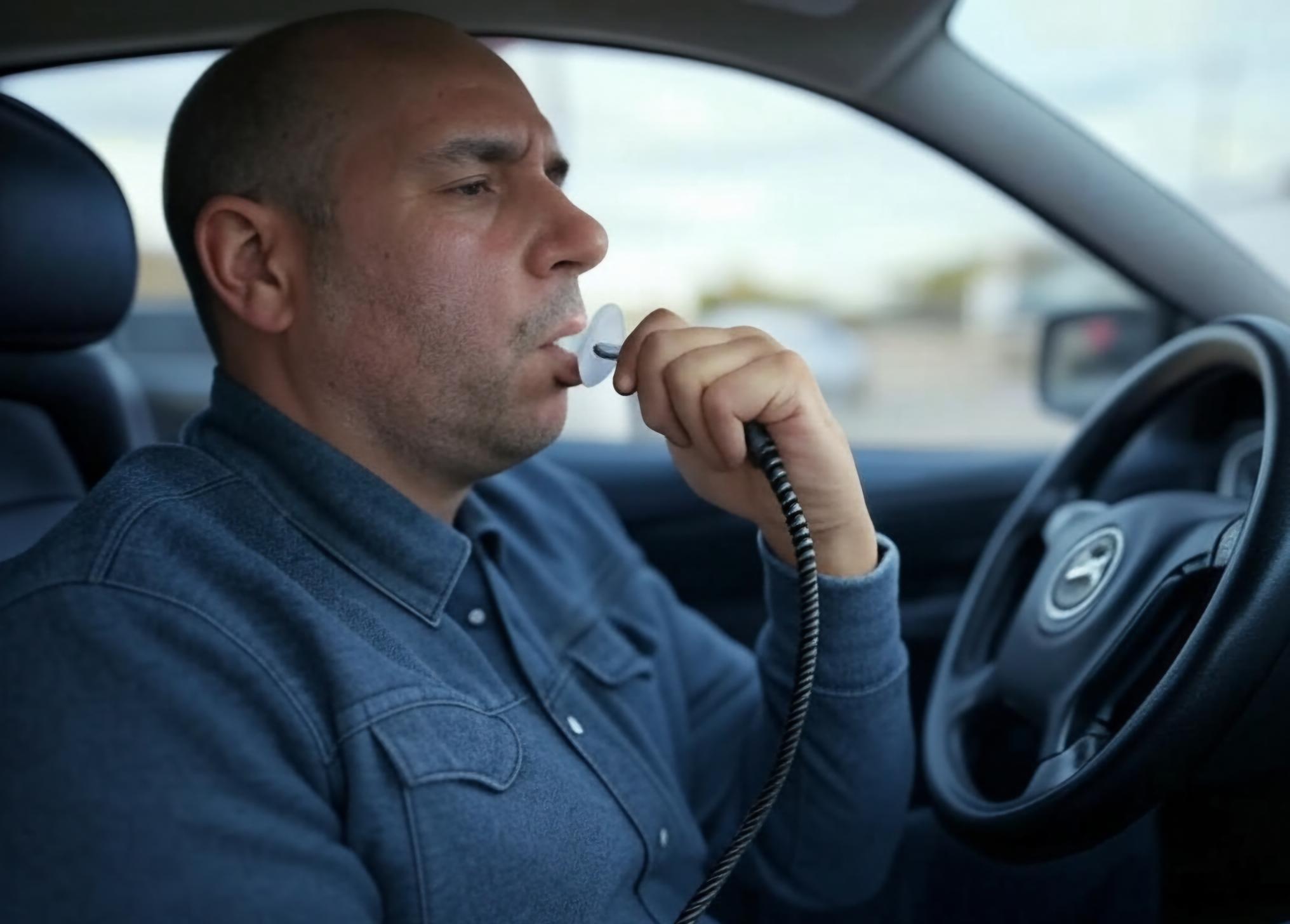 In Illinois, individuals convicted of driving under the influence (DUI) often face strict penalties, including the requirement to install a Breath Alcohol Ignition Interlock Device (BAIID) in their vehicles. For some offenders, this requirement can last up to five years.
 If you're an out-of-state resident working to remove an Illinois hold on your driver's license, understanding BAIID violations is critical to your reinstatement success.
 Failure to appear (FTA) in traffic court can lead to a swift driver's license suspension in Illinois, creating unexpected hardships for daily commuters and professionals reliant on driving.
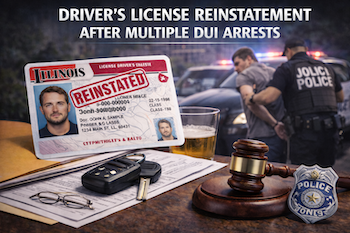 Multiple DUI revocations in Illinois can create a complex web of legal hurdles, making reinstatement feel overwhelming and potentially delaying your return to normalcy for years.
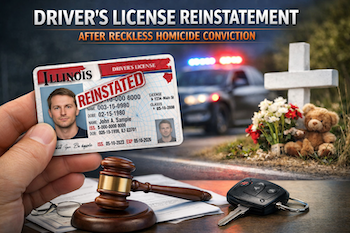 A reckless homicide conviction in Illinois often leads to a mandatory driver's license revocation that can feel permanent, severely impacting your ability to work, support your family, and rebuild your life.