The Role of Support Letters in Driver's License Reinstatement Hearings in Illinois: Tips for Success in 2026
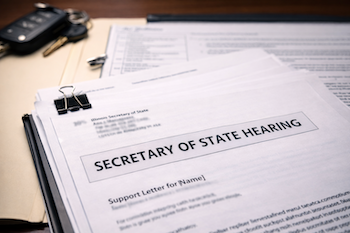 Support letters play a crucial role in Illinois driver's license reinstatement hearings, providing personal testimony to demonstrate your rehabilitation, stability, and low risk to public safety after a DUI or serious traffic revocation.
 Driver's license reinstatement hearings with the Illinois Secretary of State can be challenging, and denials are common—even for prepared applicants. A denial doesn't mean permanent loss of driving privileges; you have the right to appeal and request another hearing.
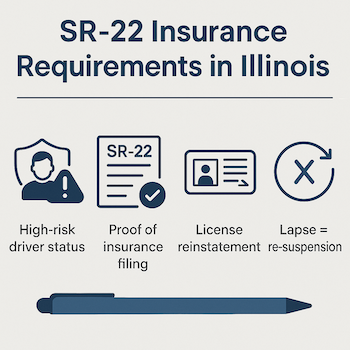 SR-22 insurance is a critical hurdle for many seeking driver's license reinstatement in Illinois after revocations from DUIs, accidents, or multiple violations, but understanding its nuances can prevent costly delays and denials.
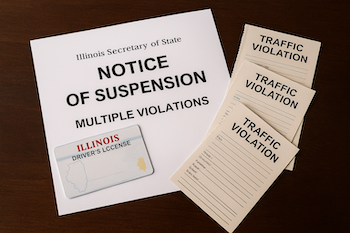 Accumulating too many traffic tickets in a short period can trigger an automatic driver’s license revocation in Illinois—even if none of the tickets were DUI or felony offenses.
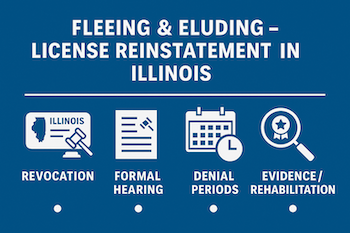 A license revocation for fleeing or eluding police in Illinois is a serious consequence of evading law enforcement, often stemming from panic or underlying issues, and requiring a structured reinstatement process to regain driving privileges.
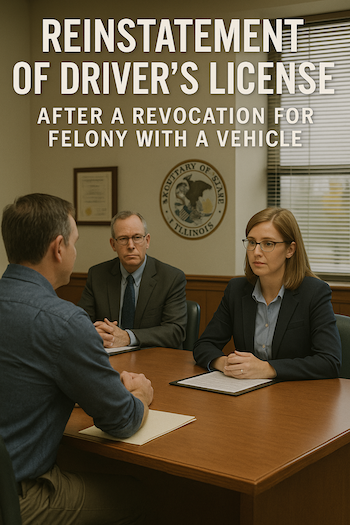 A driver's license revocation for committing a felony involving a vehicle in Illinois can have profound and long-lasting effects, restricting your mobility and complicating employment or daily responsibilities.
 Driving on a suspended license in Illinois can lead to revocation, compounding your legal troubles and extending your time without driving privileges.
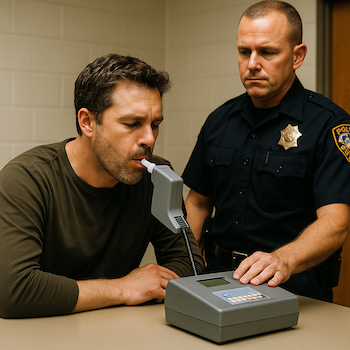 Refusing a chemical test during a DUI stop in Illinois can lead to an automatic license revocation, making reinstatement a challenging but achievable process with the right approach.
 A statutory summary suspension in Illinois can abruptly halt your driving privileges, often before a criminal conviction, leaving you scrambling for solutions.
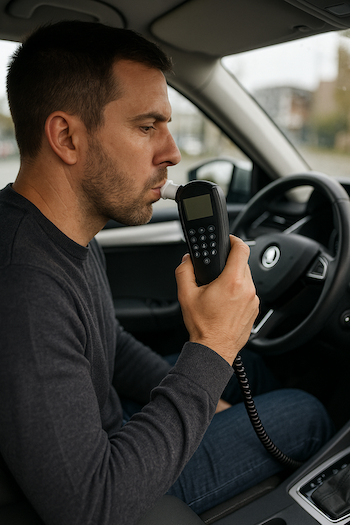 Regaining your driver’s license after a DUI revocation in Illinois often involves navigating the Breath Alcohol Ignition Interlock Device (BAIID) requirement, a critical step for many in Will County.